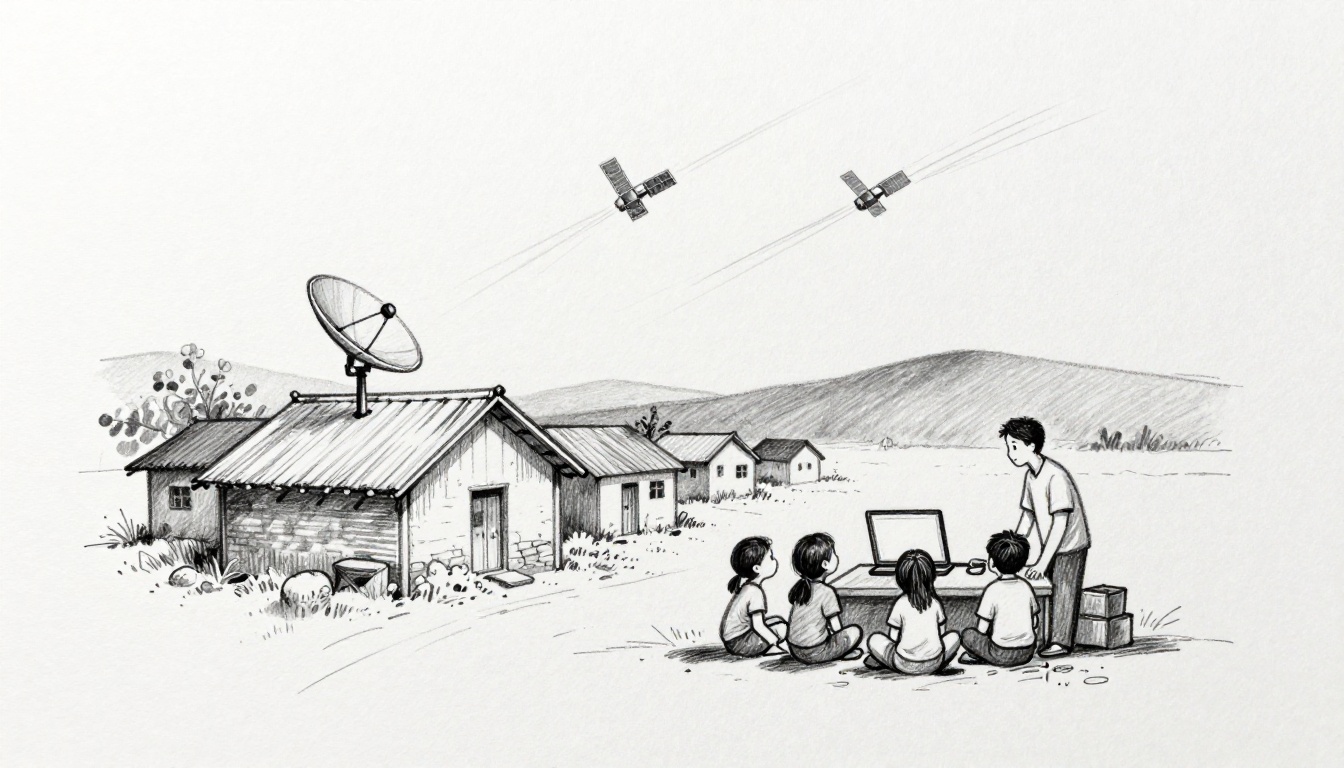
At night, a teacher in a remote village can only guess what’s happening online. Then, one day, the sky starts doing the work. A satellite dish points upward, a connection appears, and students finally watch lessons that used to be out of reach.
That moment matters, because global access still has a wide gap. In early 2026, estimates put about 2.2 billion people without reliable broadband, and other reports put the offline count closer to 2.6 billion. Either way, that’s billions who cannot join online learning, apply for jobs, or get timely health and emergency info.
Satellite internet global access is changing that math by sending internet from space to places cables and towers can’t reach. Systems using low-Earth orbit (LEO) satellites can bring usable speeds with low delay, so online lessons, video calls, and work tasks become possible in remote areas.
So how could satellite internet reshape everyday life worldwide? Let’s start with the global internet access gaps that make this so urgent.
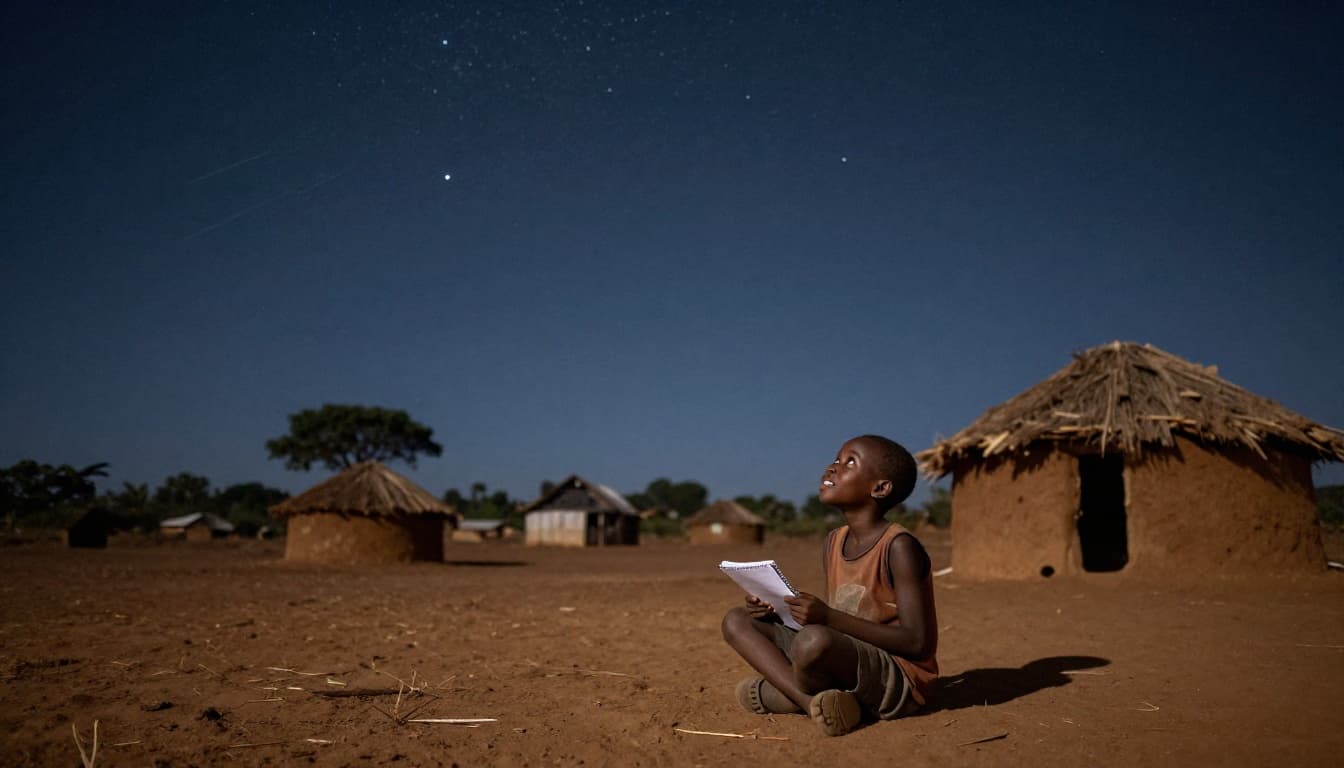
Why So Many People Still Miss Out on the Internet
Global internet access gaps don’t come from a lack of desire. They come from physics, money, and distance. Fiber networks require long builds, permits, and power in places that often lack all three. Cellular networks reach many towns, but they still skip rural regions, remote islands, and hard terrain.
As of early 2026, one major estimate says around 2.2 billion people lack reliable broadband. That’s a huge share of the world’s population, even though billions more have some form of internet access. In other words, “connected” does not always mean “usefully connected.”
The urban-rural divide stays wide. The ITU reports that in 2025, 85% of urban residents used the internet, compared with 58% in rural areas. You can see the gap clearly in regions with weaker infrastructure, where cities progress faster than countryside communities. For more on these patterns, see internet use in urban and rural areas (ITU).
Meanwhile, many people can’t pay for good mobile data. And even when a signal exists, coverage quality can vary a lot by season, weather, or distance from a tower.
This is where satellite internet global access matters. With a satellite network, you don’t need miles of new cable to start. You still need equipment and service rules, but the main “last mile” problem shifts from ground construction to sky-based coverage.
If you want the human picture, it’s worth reading how connectivity affects students and families day by day. One report frames the digital divide through a village story and highlights the scale of offline populations in 2026, including the often-cited 2.6 billion figure. See Digital Divide 2026: 2.6 Billion People Still Offline.
Finally, there’s the data angle: even when people go online, they often don’t get stable video, dependable uploads, or enough bandwidth for modern tools.
That’s why missing internet access isn’t a minor inconvenience. It blocks education, remote jobs, and reliable help when emergencies hit.
The Hardest-Hit Regions and Communities
Some areas get left behind because the terrain fights back. Think about farms far from roads. Think about islands with short runways and long supply trips. Think about polar regions, where weather disrupts ground plans. Think about ships at sea, where towers don’t exist at all.
In those places, a “normal” internet build can take years. It might also cost more than budgets allow. Even when governments plan connectivity, timelines can slip. Meanwhile, students and workers wait.
There’s also a second problem: even where mobile networks arrive, they can struggle with capacity. Crowded areas, weak backhaul, and limited tower power reduce speeds. So the internet works “sometimes,” then breaks when people need it most.
Satellite internet can fill gaps that fiber and cell towers skip. LEO systems place many satellites in space at lower altitudes than older satellite models. That means signals travel a shorter route in the air. As a result, you can get low latency compared with traditional satellite internet, which helps with video calls and real-time classes.
In practice, satellite service can support communities that fall between two common lines:
- Areas too far for affordable fiber
- Areas too irregular for consistent tower coverage
That includes remote Indigenous communities, remote schools, and fieldwork sites where downtime costs money. Research on low-Earth-orbit satellite use in remote Northern Canada discusses social and economic outcomes in specific communities, which can help you understand what “impact” looks like beyond marketing. You can read Assessing the Impacts of Low-Earth Orbital Satellite Systems in Remote Indigenous Communities.
The key idea is simple: the “coverage” becomes less about building to each village and more about bringing service from space to the same sky under the same rules.
Of course, satellite access still has limits. But it can target places that other networks struggle to reach in the near term.
Daily Struggles Without a Connection
When you lack reliable internet, your day has fewer options. Schoolwork stalls first. Then the job hunt gets harder. Finally, emergency response slows down.
For education, the gap is painful and practical. A village school might have printed books, but online classes need more than text. Students often miss out on video lessons, live homework help, and updated course tools. When a teacher wants to show a science clip, the clip never loads.
Imagine a math lesson that depends on practice problems. Without enough bandwidth, the lesson becomes slow. Without stable video, the class becomes one-way. Kids learn less, not because they lack effort, but because the content delivery fails.
For work and small business, the internet gap hits income. Many buyers now expect online catalogs, payments, and shipment updates. Without a connection, it’s harder to sell beyond the local market. It’s also harder to apply for jobs that list only online forms.
Then there’s emergency support. In disasters, response teams need maps, alerts, and communication. Slow or unavailable internet can delay coordination between shelters, local leaders, and outside aid.
Satellite internet can reduce some of these pain points because it can bring service quickly to places that lack broadband. Still, the experience depends on equipment, weather, and local service plans. So the next step is understanding how LEO satellite internet actually delivers the connection.
How Satellite Internet Delivers Web from Space
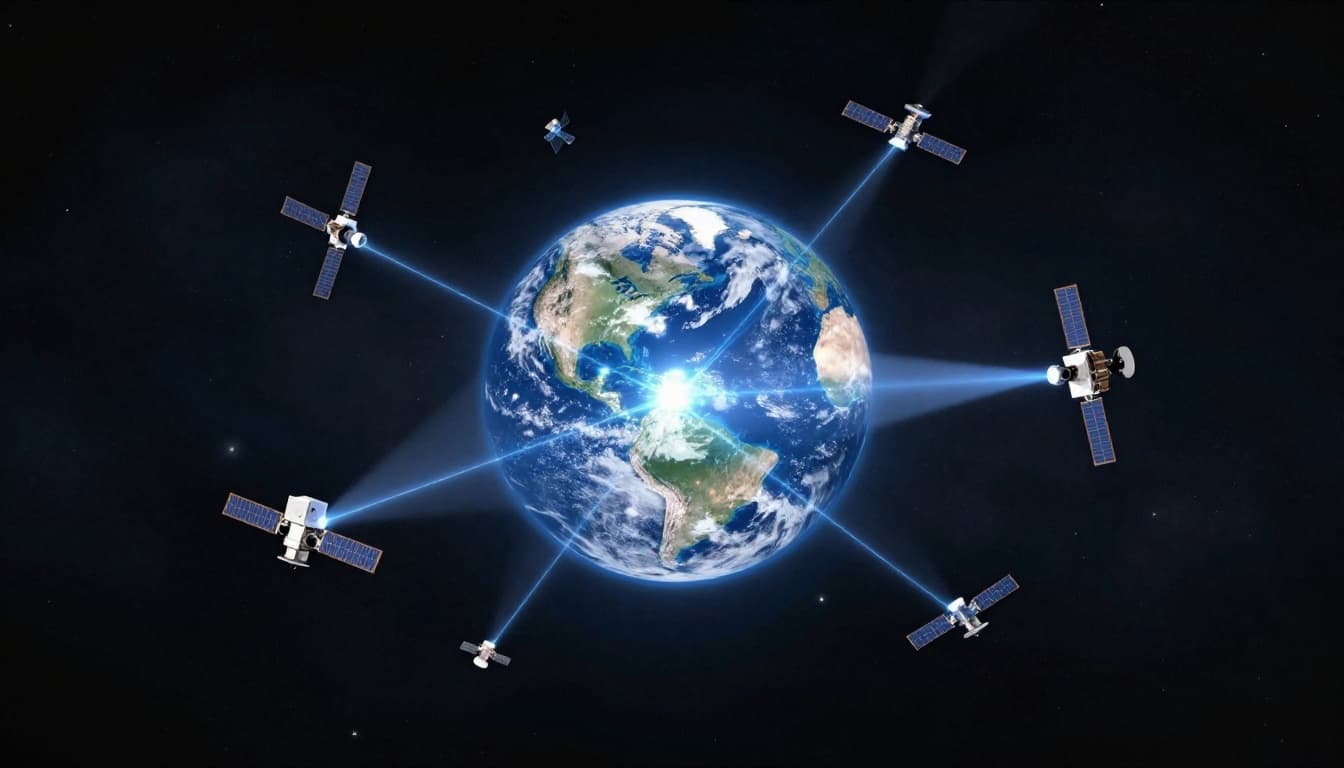
Satellite internet feels like magic until you break it down. In simple terms, a network of satellites in low-Earth orbit (LEO) relays your internet connection. Instead of sending your signal through a fiber line or tower, your device connects to a satellite, which then connects onward through the system.
Because LEO satellites orbit closer to Earth, they can offer lower delay than older geostationary systems. That helps video calls, online classrooms, and real-time messaging feel more normal.
Speed and latency depend on the provider and current network load. Still, LEO competitors generally target broadband performance, not “email-only” service. For example, one reported typical range for Starlink is 100 to 300 Mbps with about 20 to 40 ms latency.
Many systems also use inter-satellite links (often described as laser links). That means satellites can pass traffic between each other in space. As a result, the network can route data without waiting for a single ground station to be available.
A useful analogy is this: think of the internet as a highway system. Fiber cables and cell towers are on-the-ground highways. LEO satellite constellations build a temporary set of sky highways that can reach where the roads stop.
For a picture of how today’s LEO networks beam internet from orbit, it helps to imagine the satellites as moving repeaters across the sky.
Starlink’s Rapid Rise and Tech Edge
Starlink has led the satellite broadband story in 2026. As of March 2026, reports place Starlink at about 10 million subscribers. That’s after rapid growth from about 8 million in late 2025, showing that service expansion can translate into real customer adoption fast.
Starlink also operates a large number of LEO satellites. One 2026 snapshot puts it at over 7,000 operational satellites. With thousands in orbit, the system can schedule coverage more often and reduce the long “waiting for a satellite pass” feeling people had with older satellite internet.
In addition, ongoing upgrades matter. Providers keep working on better antennas, smarter routing, and more capacity per satellite. Those improvements help with the two things users care about most: speed consistency and latency.
Starlink’s momentum also shows up in business planning. Some industry tracking expects growth toward 25 million users by year-end and discusses Gen2 changes that aim to raise data density. For a look at those projections, see Starlink targets 25M users by year-end as Gen2 satellite plan promises 100x data density (SDxCentral).
Users don’t just want “connected.” They want connection that works during school hours and work hours. That’s why capacity upgrades drive adoption. Even in remote areas, people notice when speeds hold steady.
Rivals Stepping Up Worldwide
Starlink isn’t the only name in the LEO broadband push. Competition matters because it can speed up pricing pressure, improve hardware, and expand where services become available.
Amazon’s Kuiper plans a large constellation aimed at global broadband. Kuiper targets underserved regions too, with deployment progress moving through the mid-2020s. One 2026 snapshot lists Kuiper with 1,600+ satellites deployed and plans for a much larger total constellation.
OneWeb also supports global connectivity using LEO satellites, with a network designed for broadband coverage and partnerships for multi-orbit support.
Meanwhile, other countries are developing their own satellite communications plans. Details vary by region, but the direction is clear: more LEO satellites, more coverage, and more services that target gaps in fiber and towers.
As rivals grow, users may get more choices for availability, pricing, and service terms. If you want a quick comparison of how major LEO options stack up in 2026, you can check a side-by-side breakdown like Project Kuiper vs Starlink: Comparison of Features in 2026.
Now let’s talk about what actually changes when remote communities finally get dependable internet.
Big Wins for Remote Lives and Economies
Internet access can sound abstract until you connect it to daily life. With satellite internet in place, families can learn online, businesses can sell online, and aid groups can coordinate faster.
Satellite service also helps when “ground networks fail.” Storms, wildfires, and power cuts can knock out local infrastructure. With an internet signal coming from space, the outage risk shifts. That doesn’t remove all problems, but it can reduce how often the whole system goes dark.
One benefit stands out immediately: satellite internet can support more devices at once in remote settings. That matters when one household shares a connection across school needs, work needs, and basic daily tasks like messaging and banking.
A second benefit is education. When schools can access online learning tools, they can bring in course content that would be impossible to print or ship for every lesson.
Third, better connectivity can create new income options. People can do remote jobs, run online stores, and access markets they couldn’t reach before.

Unlocking Education and Skills Anywhere
When a classroom gets connected, learning can shift from “limited materials” to “updated lessons.” That changes what teachers can teach and what students can practice.
For kids, it often means video instruction, online homework, and access to learning platforms that many urban students use by default. For adults, it can mean online training that helps them earn skills without relocating.
In some remote areas, satellite internet has helped keep K-12 schools connected. EdTech Magazine has covered how satellite access supports rural schools, including the role of connectivity in keeping classrooms learning when options are limited. See Starlink Is Helping Keep Rural K-12 Schools Connected.
In addition, the impact can extend beyond school hours. Once connectivity exists, people can search for guidance, watch tutorials, and use learning tools at night. That matters in farm communities, where schedules often follow daylight and seasons.
Research in remote Indigenous communities also points to social and economic outcomes tied to satellite connectivity use. Those findings help explain why “access” isn’t just a data point. It affects how people communicate, learn, and plan. Again, see Assessing the Impacts of Low-Earth Orbital Satellite Systems in Remote Indigenous Communities.
But education success depends on more than speed. It also needs teacher training, device support, and simple content plans that fit local needs. Satellite internet can make those plans possible.
Sparking Jobs and Growth in Forgotten Places
Jobs don’t always require a city office. Many roles need only a working connection. With satellite internet available, people can apply for work that supports freelancers, remote customer support, coding, design, translation, and data services.
Small businesses can also reach customers beyond the local market. A shop can post products, take orders, and handle payments. Even when the first sales come slowly, online access still expands the “who can find me” pool.
Farmers and rural operators gain another advantage: information. They can check weather and crop prices online. They can also access guidance on pest management and equipment use.
When emergencies hit, connectivity can speed up coordination. Aid groups can update plans, share lists, and communicate with local partners.
Still, the economy effects vary by community. Some places may need added support like job training, device access, or local help to get online safely. Without that, a connection alone might not create income quickly.
Even so, satellite internet offers something rare in many underserved areas. It offers a path to participate in online services without waiting for fiber construction timelines.
Challenges to Overcome Before Full Takeoff
Satellite internet has a lot going for it. However, it faces real constraints that can slow adoption.
First, network congestion can happen. When many users connect in the same area at once, speeds can drop. Providers address this by adding satellites, improving scheduling, and upgrading hardware. Still, it’s a factor, especially during peak usage times.
Second, regulation is complicated. Satellite operators need spectrum rights, and those rules differ by country. In some cases, frequency assignments can conflict with other services already in use. This can slow rollout and force negotiations.
Third, the cost problem remains. Hardware costs matter, especially for households and small businesses that have tight budgets. Even as gear becomes more common, affordability will decide how fast adoption spreads.
Fourth, direct-to-phone service is not here everywhere yet. Many plans involve direct-to-device satellites, but the timelines depend on phone chip support, satellite capabilities, and testing. One 2026 reality check is that direct-to-device streaming video won’t work reliably until around 2028. That means you should expect a mix of “dish first” solutions and limited direct phone features during the transition.
Finally, signal quality inside buildings can be an issue. Users may need clear views of the sky or better placement of equipment.
In short, satellite internet can close access gaps, but it won’t fix every barrier overnight. The winners will be areas where connectivity pairs with training, affordable devices, and local support.
Conclusion: A Broader Sky for Global Access
If you started with one hook, it’s this: the internet doesn’t have to be buried in the ground to reach you. Satellite internet can bring global access by using the sky when fiber and towers can’t reach. That’s why communities that once waited years for connectivity can see change in months.
The biggest shift is practical. Students can access lessons. Families can support work and learning. Local businesses can reach wider markets. And in emergencies, communications can move faster.
Next step: check whether satellite service is available in your area or for your organization’s needs, then share updates with others who struggle to get online. If satellite internet is part of your 2026 plans, what would you want it to unlock first in your community?