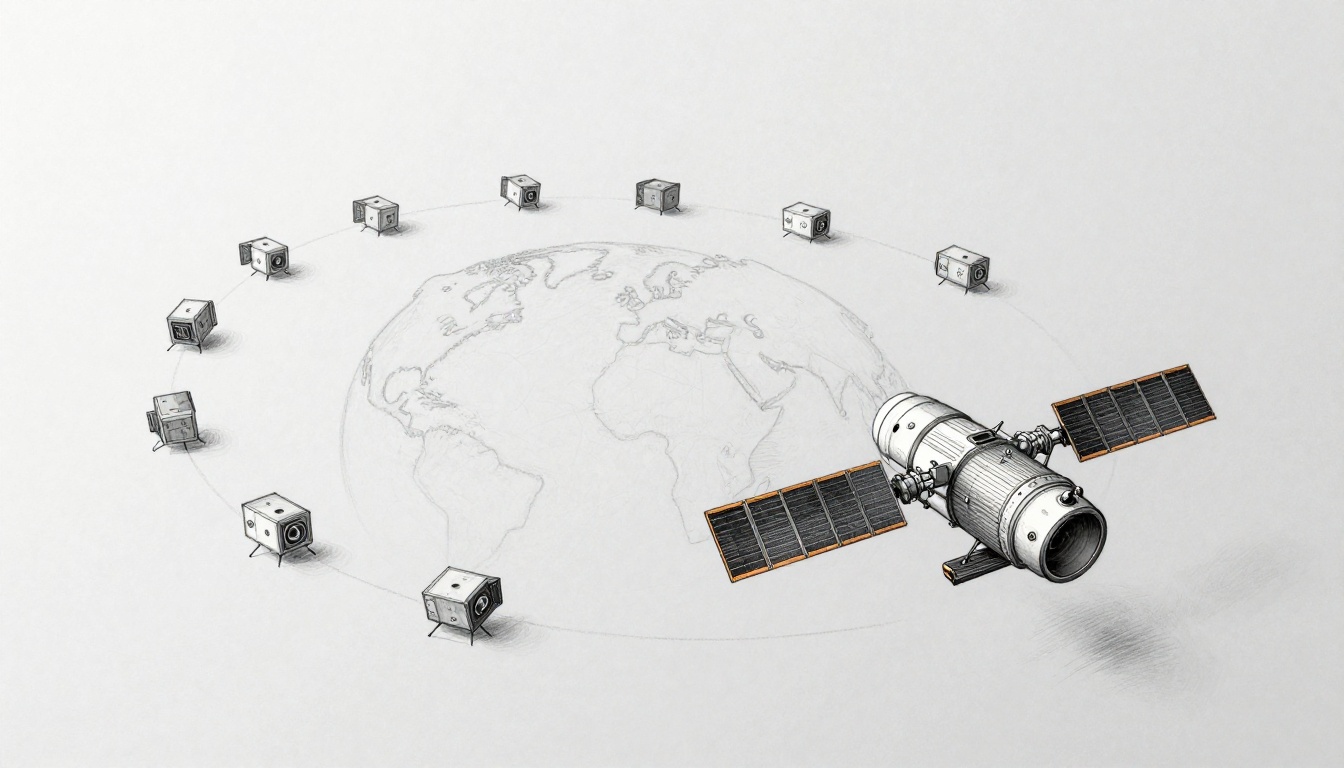
Thousands of small satellites are circling Earth right now, turning space from a rare event into a steady service. In March 2026 alone, SpaceX put more than 600 Starlink small satellites into low Earth orbit, adding to global networks and faster data delivery. That steady pace matters because smallsats bring missions within reach for more teams than ever before.
So what exactly are small satellites? They’re lightweight spacecraft, often under 500 kg, built faster and launched more cheaply than the big “traditional” satellites. This guide breaks down what small satellites are, how they differ from giant spacecraft, what they’re used for today, and what challenges still stand in the way.
How Small Satellites Differ from Traditional Giants
Small satellites are built for speed, cost control, and frequent launches. Traditional satellites usually chase maximum performance, even if that means higher budgets and longer build times. Think of it like a backpack vs. a truck. Both can help you move, but one ships fast and adapts easily.
Most small satellites live in low Earth orbit (LEO) because it’s closer to Earth. That usually means lower launch energy and quicker orbit changes for testing or redeployment. NASA also frames smallsats by size and mission style, including well-known designs like CubeSats. If you want a baseline definition from a primary source, see NASA’s guide to SmallSats and CubeSats.
Here’s a simple way to picture the difference:
| Feature | Small satellites | Traditional satellite |
|---|---|---|
| Typical mass | Under 500 kg | Often over 1,200 kg |
| Typical form | CubeSats and similar blocks | Custom, large spacecraft |
| Build timeline | Often months to a few years | Often several years |
| Launch style | Rideshare or multi-payload | Dedicated or limited rideshare |
| Common orbit | LEO for fast operations | More varied, but often higher orbits |
In practice, smallsats pack the same “must-haves” you’d expect from any spacecraft. They still need a structure, power system, computer, antennas, and a payload (the part that does the job). Many also skip propulsion to save space and money, then rely on their orbit and careful planning.
Breaking Down the Types by Size and Weight
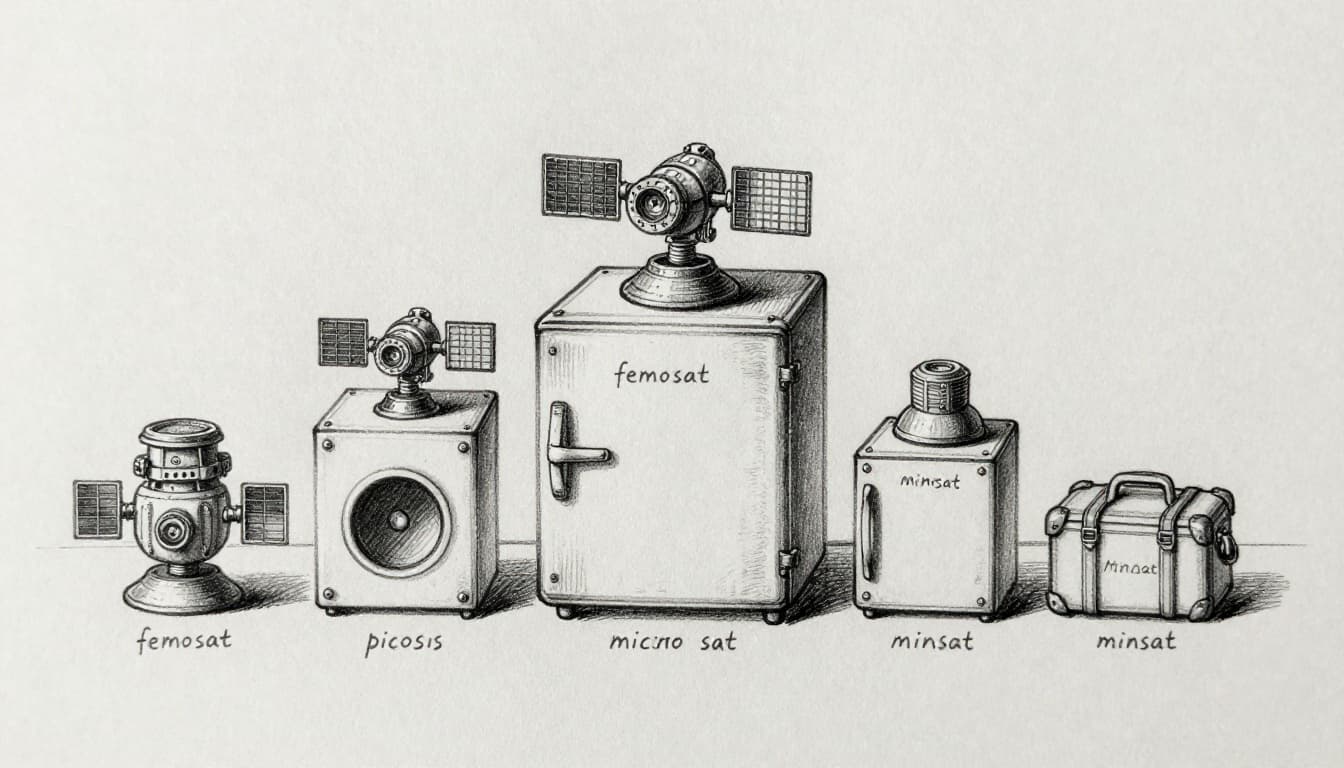
Small satellites don’t all look the same. They vary by mass in a way that’s easy to understand when you relate it to everyday objects. Some categories start at “so tiny you’d miss them,” while others fit inside a small room.
Here’s a common way the industry groups small spacecraft by mass:
| Class | Approx. weight | Everyday analogy |
|---|---|---|
| Femtosat | Under 0.1 kg | A small coin-sized object |
| Picosat | 0.1 to 1 kg | A large soda can |
| Nanosat | 1 to 10 kg | A shoebox |
| Microsat | 10 to 100 kg | A small fridge |
| Minisat | 100 to 500 kg | A compact suitcase |
CubeSats deserve special attention because they made small satellites feel standardized. A CubeSat is built in 10 cm cube units (like 1U, 3U, 6U), which helps teams reuse designs and move quickly from prototype to flight. You can also see the basic form factor and typical limits in CubeSat background.
And then there are “why do we even bother?” missions. Because small satellites can be built in groups, teams can launch swarms instead of betting everything on one expensive spacecraft. That matters when you want constant coverage or faster learning.
Core Parts That Make Them Tick
A small satellite still has to survive launch, vacuum, and temperature swings. It also has to do its mission reliably, even though there’s little room inside the box. That’s why smallsats often use proven, compact parts and strong testing.
Most designs share these core blocks:
- Structure (the frame): Often aluminum or similar materials that keep the spacecraft rigid.
- Power system: Solar panels supply energy, and batteries store it for lights-out moments.
- Onboard computer: It runs flight software, manages power, and controls the payload.
- Communications: Antennas send data down to Earth and receive commands.
- Payload (mission hardware): Cameras, radios, sensors, or other instruments.
- Optional propulsion: Many smallsats skip it, then handle orbit changes only when needed.
Power is one of the biggest constraints. Small satellites have less surface area for solar panels, so teams must design carefully. They choose payloads that fit within tight power budgets, and they plan observation schedules around sunlight and battery limits.
Why Small Satellites Are Changing What Space Can Do
Small satellites are important for one simple reason: they make space missions more common. When spacecraft cost less and can be built faster, more people can try new ideas. That increases competition, which often improves quality and speeds up progress.
In March 2026, the momentum was hard to miss. SpaceX launched over 600 Starlink small satellites into LEO, with multiple Falcon 9 missions deploying batches of roughly 25 to 29 satellites each. Starlink’s growth is a clear example of how constellations built from smallsats can provide real service at scale.
Smallsats also benefit from the rise of rideshare launches. Instead of waiting for a dedicated rocket, teams book their slot alongside other payloads. That reduces barriers for universities, startups, and smaller countries.
Finally, swarms and constellations can cover more ground than a single giant satellite. When one unit fails, the whole network usually doesn’t collapse. Instead, you lose coverage in one slice, and the rest continues.
Cutting Costs and Speeding Up Launches
Cost drops happen for a few reasons. First, smallsats are physically smaller. That often means less engineering time, fewer custom parts, and simpler integration. Second, many smallsat teams use commercial off-the-shelf (COTS) components when possible. That doesn’t mean “cheap and sloppy.” It means they can avoid reinventing every circuit from scratch.
You can see how these cost structures work in real life through CubeSats and smallsats cost discussions. While costs vary by mission, the broad pattern is consistent: smallsats often sit in a budget range that’s reachable for non-mega companies.
Build speed also helps. A traditional satellite program can stretch for many years. With smallsats, teams can run faster design cycles, test earlier, and update parts for the next batch. That matters because “learning by flying” becomes practical.
Opening Space to New Players
Once space becomes less expensive to enter, the participant list grows. That’s where small satellites really stand out.
You’ll see universities using CubeSats for research and student training. You’ll also see startups building focused systems, like weather sensors, ocean monitoring, and asset tracking. Even commercial communications networks can grow quickly when each satellite is small enough to mass-produce and launch in groups.
Smallsats also help mission planners take smart risks. Instead of betting everything on a single huge satellite, they launch a smaller version first. If it works, they expand. If it struggles, they learn and improve.
Real-World Ways Small Satellites Help Us Every Day
Small satellites can sound abstract until you connect them to daily life. Their main value shows up as better data and faster communication.
Earth observation is one of the clearest examples. Small satellites can image forests, farm fields, coastlines, and flood zones more often than large satellites with limited revisit schedules. When you get frequent updates, you can respond sooner. For professionals, that can mean faster decisions in supply chains, disaster response, and environmental monitoring.
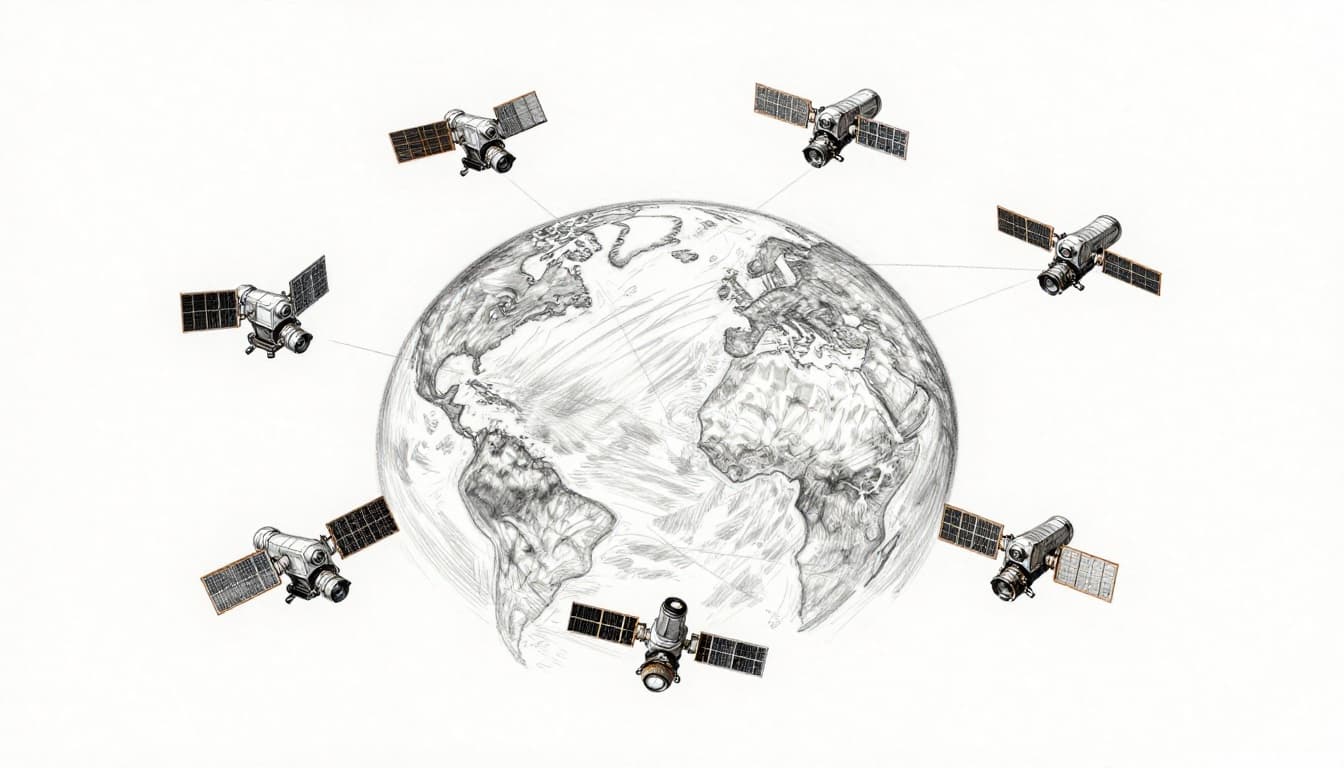
Communications is another major use. Constellations can provide internet access to remote regions. They also support specialized services like maritime tracking and connectivity for field teams.
And science benefits too. Smallsats can carry experiments, test new instruments, or serve as pathfinders for future missions.
For a closer look at how smallsat data drives decisions, Planet has explained its approach through high-resolution tasking with Pelican and tasking credits. The key idea is speed: getting the right image at the right time.
Tracking Earth Changes and Responding to Disasters
When a flood or wildfire hits, “later” can be too late. Small satellite constellations help by providing more frequent views of Earth’s surface. That improves how quickly responders understand what’s changed.
A big advantage for some payloads is synthetic aperture radar (SAR). Optical cameras struggle when clouds cover the target. SAR can still gather data during many weather conditions. That’s useful for floods, storms, and damage assessments when skies don’t cooperate.
Agriculture is another area where smallsats show practical value. Frequent imaging can help spot crop stress early. Over time, that can support smarter irrigation and better planning for harvest seasons.
Connecting the World and Exploring Science
Internet access sounds like a single topic, but small satellites support more than one goal. For global connectivity, networks like Starlink rely on large numbers of small satellites that work together. Each satellite covers a portion of the Earth at a time, and the system hands off service as users move.
Beyond broadband, small satellites help with remote sensing and field experiments. Researchers can test sensors in space without waiting for a huge mission. Students can also run hands-on experiments using CubeSats, which turns space hardware into real training.
Some organizations also use smallsats as secondary payloads on rideshare missions. That helps science budgets go further, because multiple teams can share one launch opportunity.
Overcoming Hurdles and What’s Next for Small Satellites
Small satellites still face real barriers. The industry can build fast, but it can’t ignore physics, supply chains, or policy. As launches rise, space debris becomes a bigger concern. Regulators also push for safer end-of-life behavior.
There are also practical engineering limits. Tiny spacecraft face harsh temperature swings. They pack less power and fewer spare parts. They depend on supply chains that can pause when components or production capacity lag.
Even NASA and other space agencies have adjusted programs at times, mostly due to budget timing and technical gaps. That doesn’t stop the whole market, but it can slow some projects.
Most importantly, end-of-life planning is no longer optional. Many missions aim to de-orbit so they burn up in Earth’s atmosphere within a defined window after operations end.
Tackling Heat, Supplies, and Other Roadblocks
Thermal control can be the silent enemy of small satellite reliability. A CubeSat or similar spacecraft has limited room for radiators and heat storage. So designers must manage heat paths carefully. They choose materials that conduct and radiate energy well. They also use coatings, insulation, and smart duty cycles to reduce overheating.
Supply chain delays can hit just as hard. When teams build many satellites, they need consistent availability for electronics, batteries, solar cells, and avionics. If a part lead time stretches, schedules slip. In some cases, teams re-qualify alternative parts, which takes testing time.
Meanwhile, budgets can change. If funding shifts mid-program, mission teams might redesign payload priorities or adjust launch dates.
Innovations Pushing Boundaries in 2026 and Beyond
Despite the hurdles, the next wave of small satellites looks strong. In 2026, you’ll see more missions pushing miniaturized capabilities without losing reliability.
One area is better imaging. Improved optics and sensor stacks can bring higher resolution in smaller packages. Another area is hyperspectral sensing, where small satellites capture many wavelengths to distinguish materials on Earth’s surface. That can help with soil health, mineral mapping, and vegetation analysis.
AI is also moving onto the spacecraft and into the ground segment. Instead of sending everything back to Earth, satellites can process data and send only what matters. That reduces bandwidth demands and speeds up how fast people can use the results.
Finally, orbit choices keep expanding. Teams experiment with different LEO altitudes and inclinations to optimize revisit time. Some also plan for missions beyond Earth, using small satellites as fast technology testers for lunar and deep-space work.
The space debris reality check
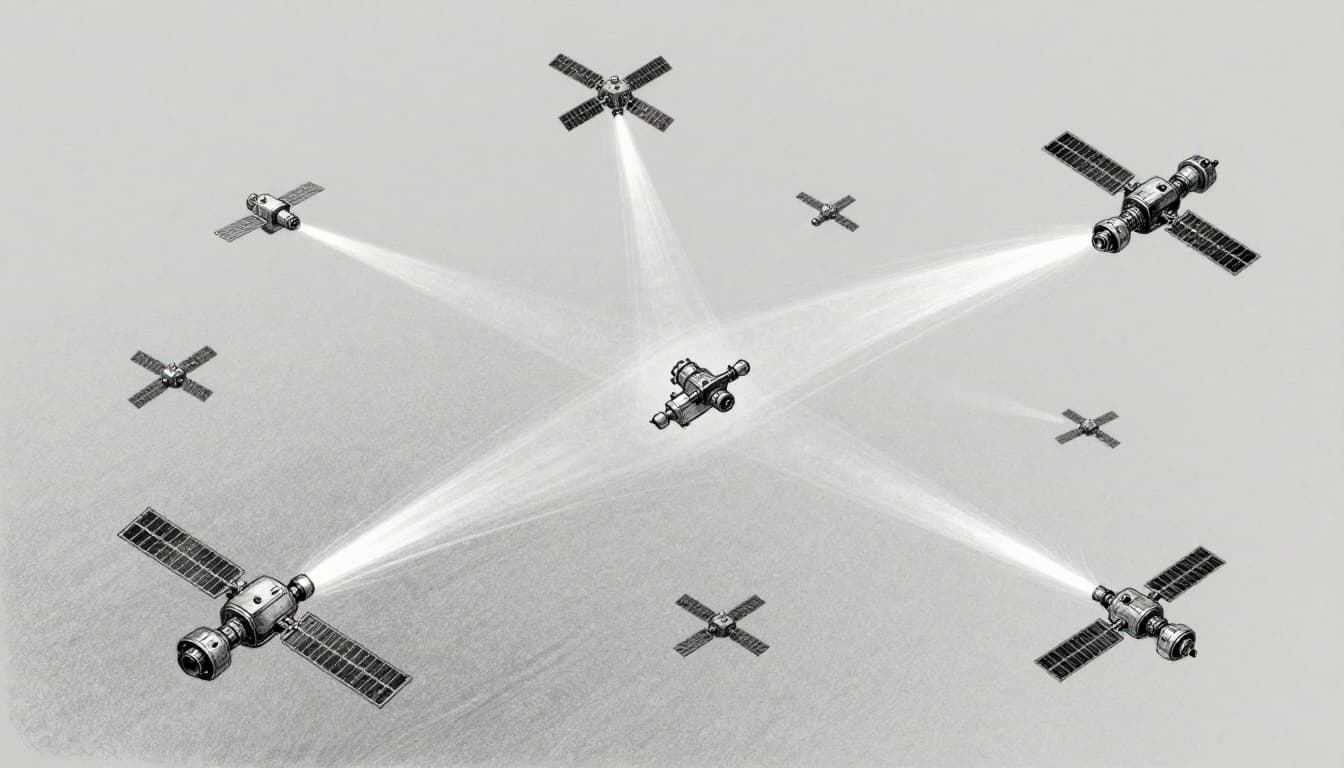
As the number of satellites grows, debris risk grows too. That’s why safe design, tracking, and de-orbit plans matter more each year. For a risk-focused perspective, see engineering reporting on the $42 billion risk of space debris.
Conclusion
Small satellites are lightweight spacecraft, often under 500 kg, that bring space missions into a faster, more affordable rhythm. In March 2026, the scale was obvious, with massive numbers of Starlink small satellites added to LEO. That growth shows how smallsats can support real services, not just experiments.
They also help widen who can participate. Universities, startups, and new teams can build constellations, test sensors, and deliver data more often. Still, the future depends on smart fixes for power limits, supply chain swings, and space debris safety.
If you want a simple next step, watch upcoming launches and pay attention to what new imaging or sensing systems enable. The more small satellites we launch, the more Earth data will feed daily tools, from weather apps to disaster alerts.